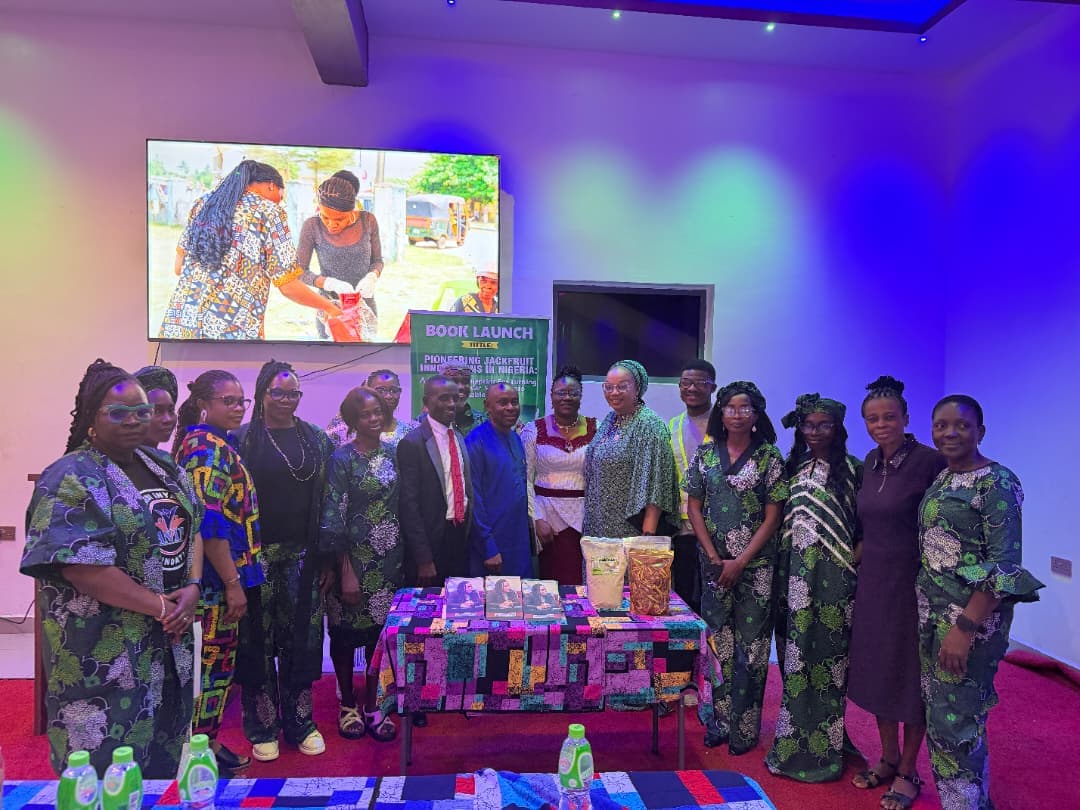
Uyo played host this week to a milestone for Nigeria's agricultural sector: the launch of Pioneering Jackfruit Innovations in Nigeria: A Founder's Blueprint for Turning an Unpopular Species into Sustainable Wealth, written by our founder, Mrs. Emem Umoh. It is being described as the first comprehensive book on Nigeria's jackfruit value chain, and for WINCO, it marks years of fieldwork, research, and community organizing finally taking permanent form.
Turning an overlooked fruit into an economic case study
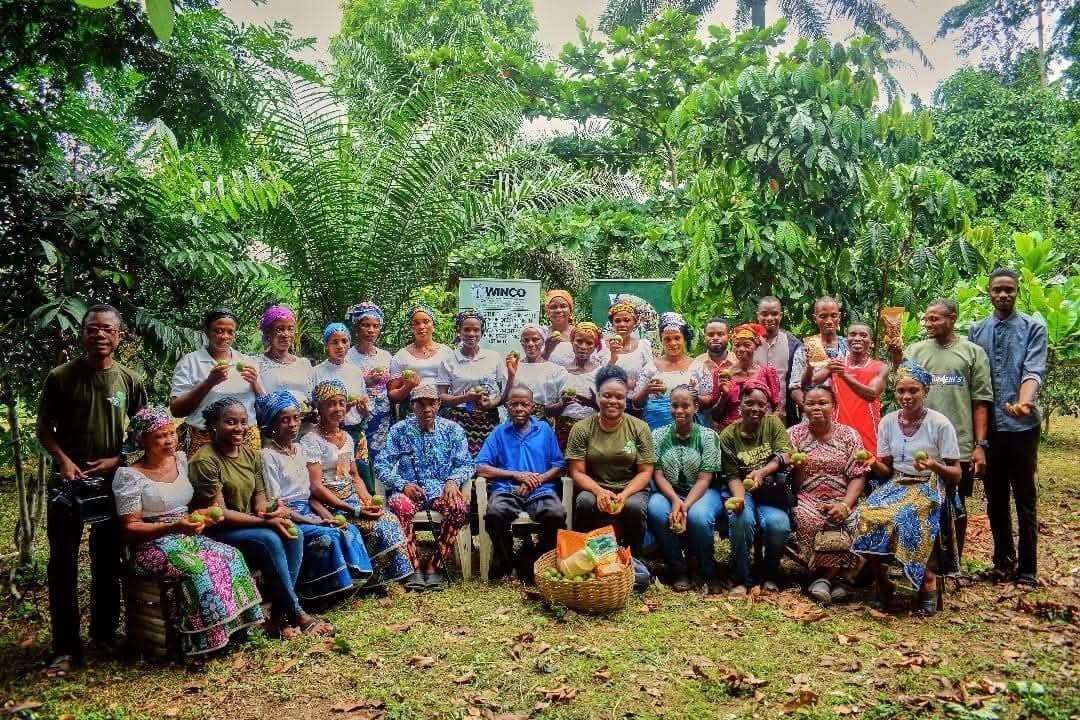
The book draws on years of hands-on experience through WINCO's Jackfruit Value Chain Programme, part of our broader work restoring and sustainably managing the Stubbs Creek Forest Reserve in Esit Eket. That programme has trained community women in jackfruit processing as a livelihood strategy, and the book captures the reasoning behind it: how a fruit long dismissed as unmarketable can become a source of jobs, nutrition, and income when approached with the right processing, branding, and market strategy.
A room full of validation
The launch drew government officials, academics, exporters, women's organizations, and community leaders. Dr. Eduma Enobong Essien, Rector of Federal Polytechnic Ukana, chaired the event and framed it as proof of what focused, unglamorous work can produce over time — a resource base turned into training, products, and now a published reference. She pointed out that Nigeria's agricultural future depends less on raw production and more on processing and branding those raw materials for real markets, which is exactly the shift WINCO has been pushing at the community level.
The event also included a live processing demonstration, giving attendees a direct look at the techniques the book documents.
Recognition beyond Akwa Ibom
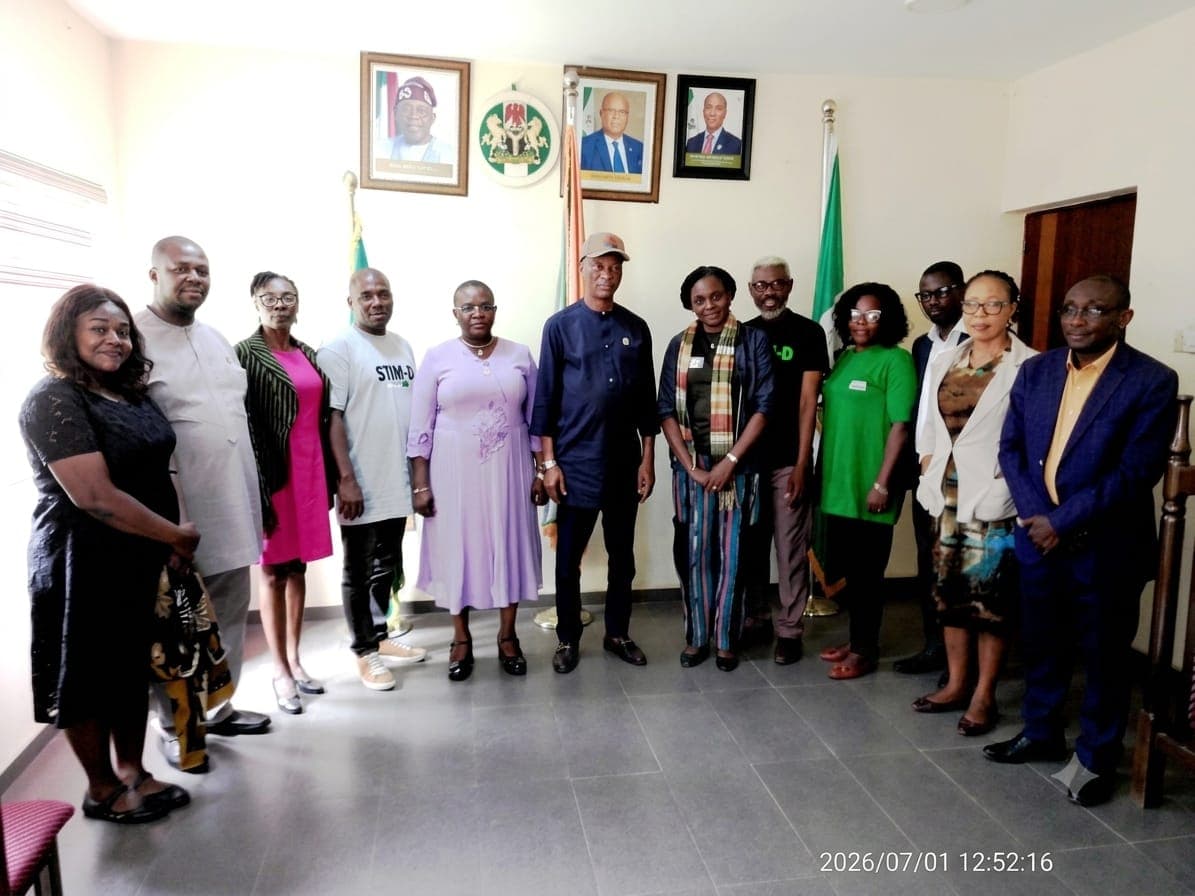
Representing the Nigeria Export Promotion Council, Mrs. Joan Idiong shared that Mrs. Umoh has been certified as an exporter and nominated to join Nigeria's delegation to an international exhibition in Canada — a sign that WINCO's jackfruit products are being noticed well past the state level. Separately, the Akwa Ibom State Forestry Department announced 10 hectares of land set aside for a dedicated jackfruit plantation, a concrete commitment to scaling what the programme has started.
Reviewing the book, Dr. Udeme Nnana of the Uyo Book Club called it a practical blueprint rather than a theoretical text, useful to farmers and policymakers alike, and encouraged schools and libraries to adopt it as a reference.
Why this matters for WINCO
This book is, in part, a record of what WINCO's model looks like when it works: conservation and livelihood programmes that don't just protect a forest reserve but generate a replicable economic playbook from it. We're grateful to the Ministry of Environment, UNDP, SGP, and GEF for funding the programme this came out of, and to every WINCO member and community partner in Esit Eket who made the underlying work possible.
Winco Team